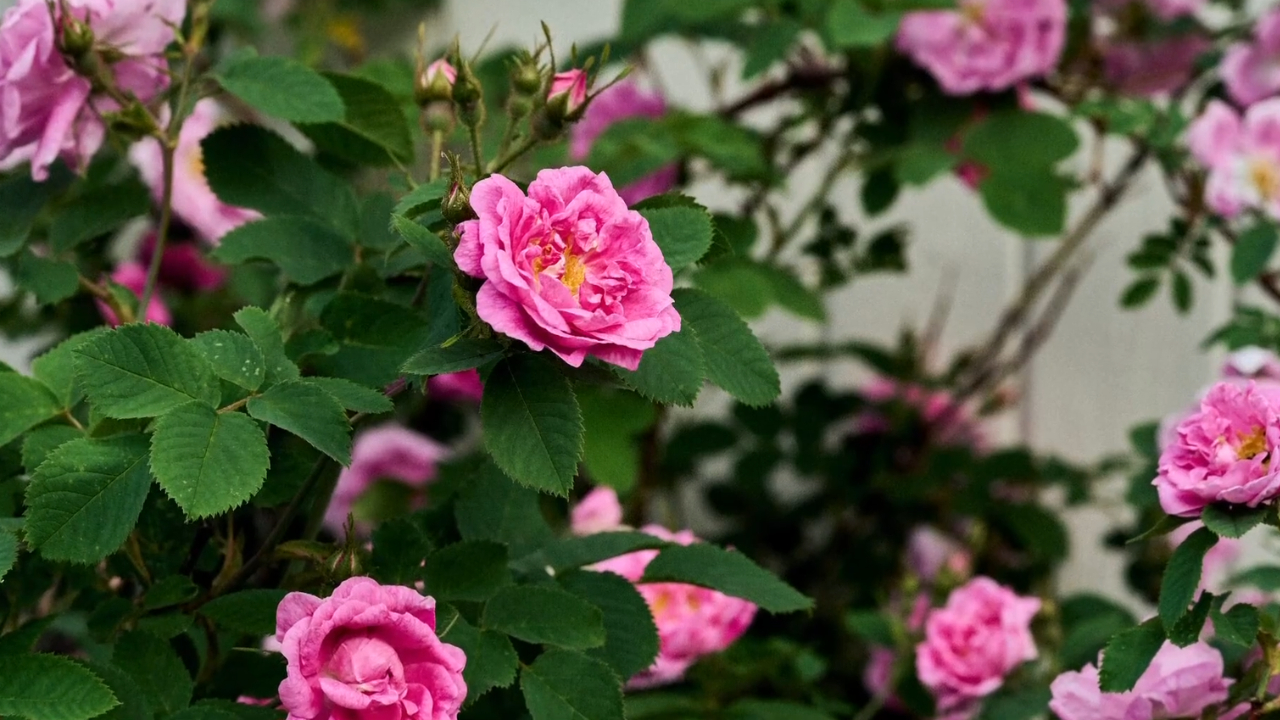
Every October, crews at two of the best-known rose gardens in Minnesota tie up tender rose bushes, dig a trench beside each one and lay the whole plant down in the ground.
Staff and volunteers at the Minnesota Landscape Arboretum in Chaska and at the Leif Erikson Park Rose Garden in Duluth then cover the roses with soil and, later, a thick layer of leaves.
The method is called the Minnesota Tip, and it is the reason hybrid tea roses bloom in a place where winter would otherwise kill them. You can use the same method on a single rose in your own yard.
Where the Roses Go Underground, and How Many
Two public gardens carry the tradition. The figures below come from each garden and from news coverage, so check the year next to each number.
| Garden | Roses reported | Who does the work | Recent tipping dates |
| Palma J. Wilson Rose Garden, Minnesota Landscape Arboretum, Chaska | More than 450 (2024), 502 (fall 2025) | Staff and volunteers, including Minnesota Rose Society members | Tied Oct. 26, tipped Nov. 4, 2024 |
| Leif Erikson Park Rose Garden, Duluth | About 2,800 (2016), more than 2,300 (current) | City crews, Lake Superior Rose Society and public volunteers | Oct. 26, 2024 and Oct. 25, 2025 |
Duluth grows thousands of roses, but not every bush gets tipped. Hardy shrub roses in the garden stay upright all winter, and only the tender ones go into trenches.
View this post on Instagram
The Arboretum figures come from its 2024 blog and a fall 2025 video, so treat either number as a snapshot.
Why Tender Roses Need This Much Help
Hybrid teas, floribundas and grandifloras were bred for milder climates. NDSU Extension notes that most of them cannot survive a northern winter without protection, while hardy shrub roses need none.
Cold is only part of the problem. A Duluth parks worker told MPR News in 2016 that winter sun and dry wind pull moisture out of exposed canes. A layer of soil fixes several problems at once.
- It shields canes from drying wind and bright winter sun.
- It keeps the temperature around the plant far steadier than the air above it.
- It keeps the rose cold enough to stay dormant, so it does not wake up during a January thaw.
Without tipping, Duluth crews expect most of their tender bushes would not survive to spring.
How the Minnesota Tip Works, Step by Step
Start after several hard frosts, but before the ground freezes, the timing the University of Minnesota Extension recommends.
- Water the rose well for a few days so the canes go down fully hydrated.
- Tie the canes into a tight bundle with synthetic twine, which will not rot. Leave a long tail so you can find the plant in spring.
- Dig a shallow trench beside the rose, as long as the bundled canes.
- Push a garden fork into the soil on the side away from the trench and gently loosen the roots.
- Tip the rose into the trench so the roots bend, not the canes.
- Cover the plant with at least 3 inches of soil, then water to settle it.
The Arboretum tips its roses in the same direction every year. Duluth crews cut their bushes back to about 18 inches before tying, which makes the bundles easier to handle.
The Leaf Blanket That Goes On After the Ground Freezes
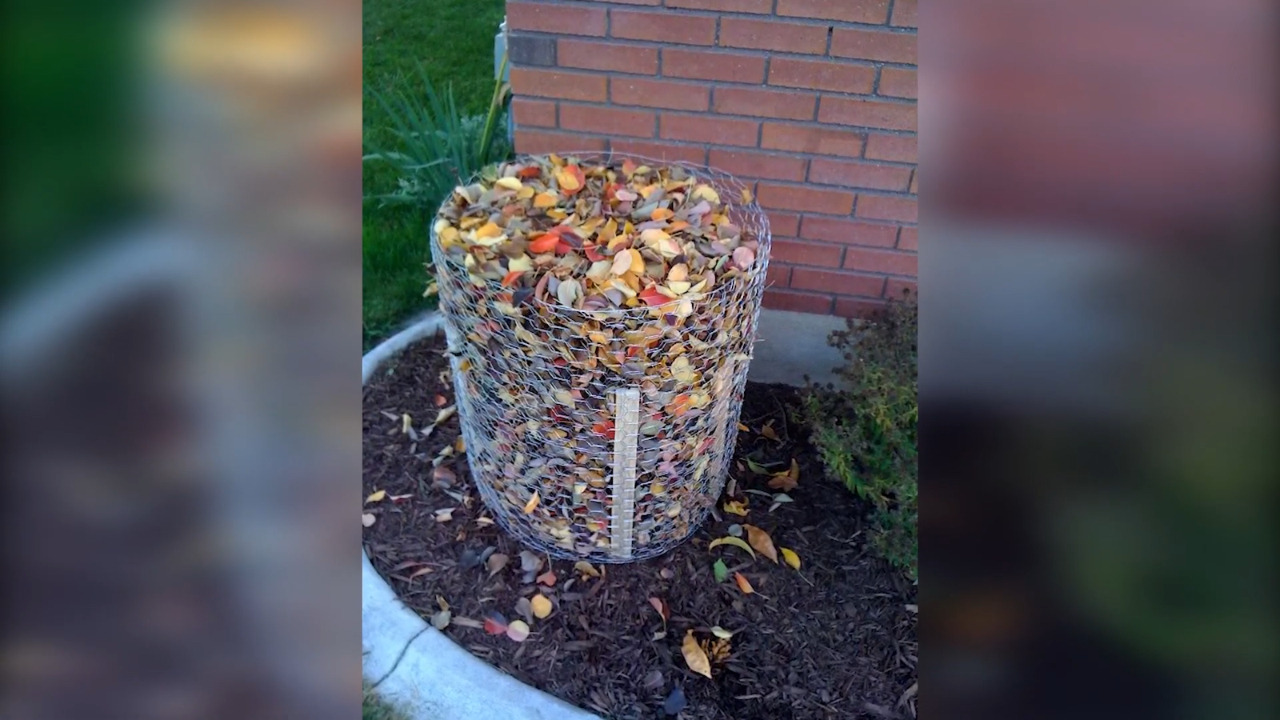
Once the ground freezes, both gardens add insulation on top. NDSU suggests about a foot of leaves or straw over the trench, and Duluth spreads bagged leaves over its beds in mid-November.
Leaves spread over warm soil give mice and voles a place to move in before winter, and rodents chew canes under deep cover. The American Rose Society even suggests tucking bait stations among the leaves, and the advice on keeping mice from nesting over winter applies here too.
The graft union is the knobby spot near the base of a tender rose where the named variety was joined to hardier roots. If the graft freezes, the top dies, and any shoots that come up afterward belong to the rootstock, not the rose you planted.
The City of Duluth asked residents in 2024 to donate clean, tied bags of leaves, and noted that new matting was reducing the need.
Where the Method Came From
Published accounts of where the method began do not fully agree. Northern Gardener credits rose grower Jerry Olson with devising it in the 1950s.
The American Rose Society instead credits Albert Nelson, who first tried bending roses in 1952 and settled on full soil cover in 1954.
The two versions can both hold some truth. The same ARS account says Olson and fellow grower Carl Holst demonstrated the method at the national rose convention in Omaha in 1966, which may be how his name became attached to it. The Arboretum adds that the idea traces back to a French practice for protecting tender fruit plants.
Did You Know?
Duluth crews do not like hearing the work called a burial. In the 2016 MPR report, the parks lead asked people to call it the Minnesota Tip, since every rose is expected to come back up in spring.
Getting the Roses Back Up in Spring
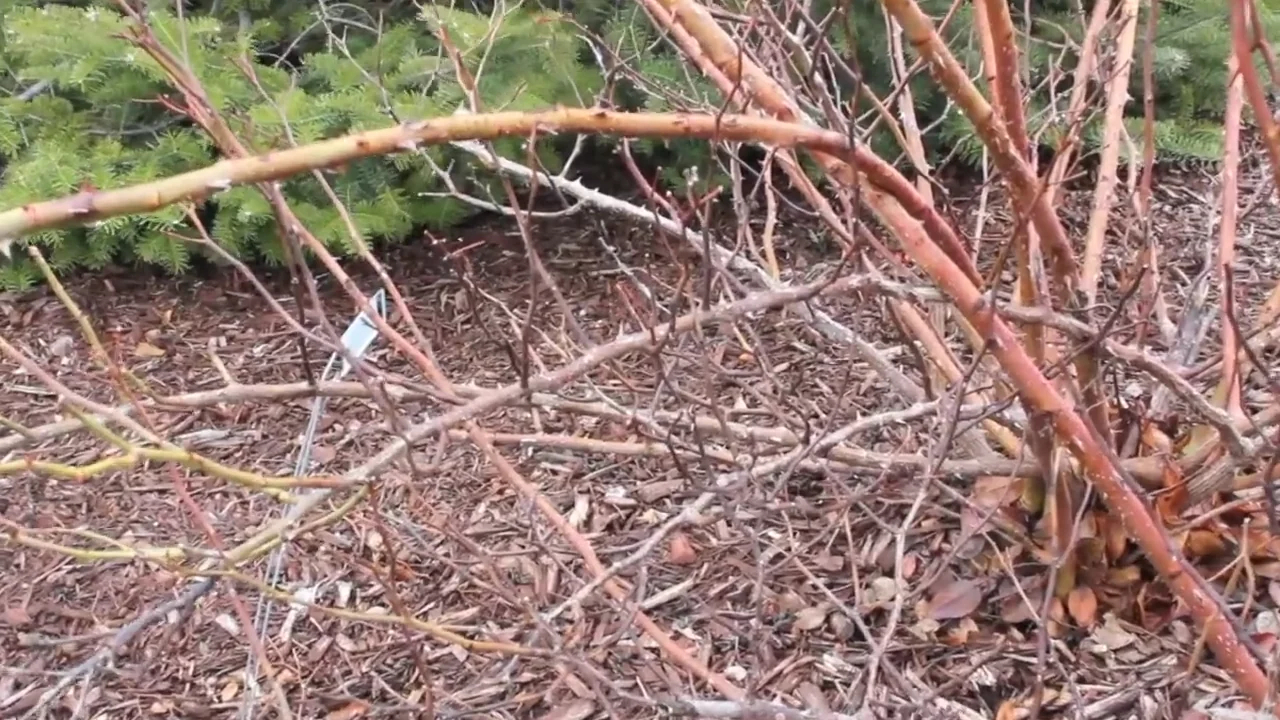
Uncovering happens in two stages, and rushing either one can cost you a rose. Duluth crews have traditionally pulled the leaves off in mid-April and lifted the bushes in the third or fourth week of April. The Arboretum waits until the weather warms.
- Remove the leaf layer first and let the soil thaw and drain for a week or two.
- Find each rose by its twine tail and scrape the soil away by hand or with a small trowel.
- Lift the bundle slowly, firm the soil back around the roots and water well.
- Rinse soil off the canes, as Duluth crews do, before cutting the twine.
- Save shaping cuts for late April or early May, after you can see which canes survived.
If a late hard freeze is forecast just after you lift, toss an old sheet over the plants for the night.
Should You Tip the Roses in Your Own Yard?
Tipping takes real effort, so match it to your roses and your winters. Lake Superior Magazine reported that the method is recommended for zone 5 and colder. In milder areas, a simpler mound usually works.
Here is how I would decide.
- Hybrid tea, floribunda or grandiflora in zone 4 or colder? Tip it.
- Same roses in zone 5? Tip them or mound 8 to 12 inches of soil or compost over the crown after the ground freezes.
- Hardy shrub roses such as Canadian Explorer, Parkland or rugosa types? Skip it, and just mulch 2 to 4 inches after a hard frost.
If you are tired of digging every fall, replacing tender roses with hardy shrub roses is a fair choice.
What to Do This Week
@mnarboretum ✨👩🌾 At the Arboretum, 502 rose bushes hibernate each winter using the Minnesota Tip Method! Hybrid tea, floribunda and grandiflora roses are delicate roses, meaning they can’t survive a Minnesota winter on their own. Each fall, Arboretum staff and volunteers tip these roses into the ground to protect them from the cold. Watch as our amazing gardener, Ella, puts 25-year-old Pearlie Mae to sleep for the season! 🌹❄️ #MNarboretum ♬ Appalachian Way – The Chilliout Folk
The public tipping days in Duluth and Chaska usually fall between late October and early November, so watch both calendars if you want to join next year.
Your own roses may still have time. If your area has had several hard frosts and you can still push a spade into the ground, tie and tip your tender roses this week.
Keep a few bags of dry leaves in the garage, and the advice on raking leaves before the first snow covers which ones to save.
Spread them a foot deep once the soil freezes, and put a reminder on your calendar for mid-April.