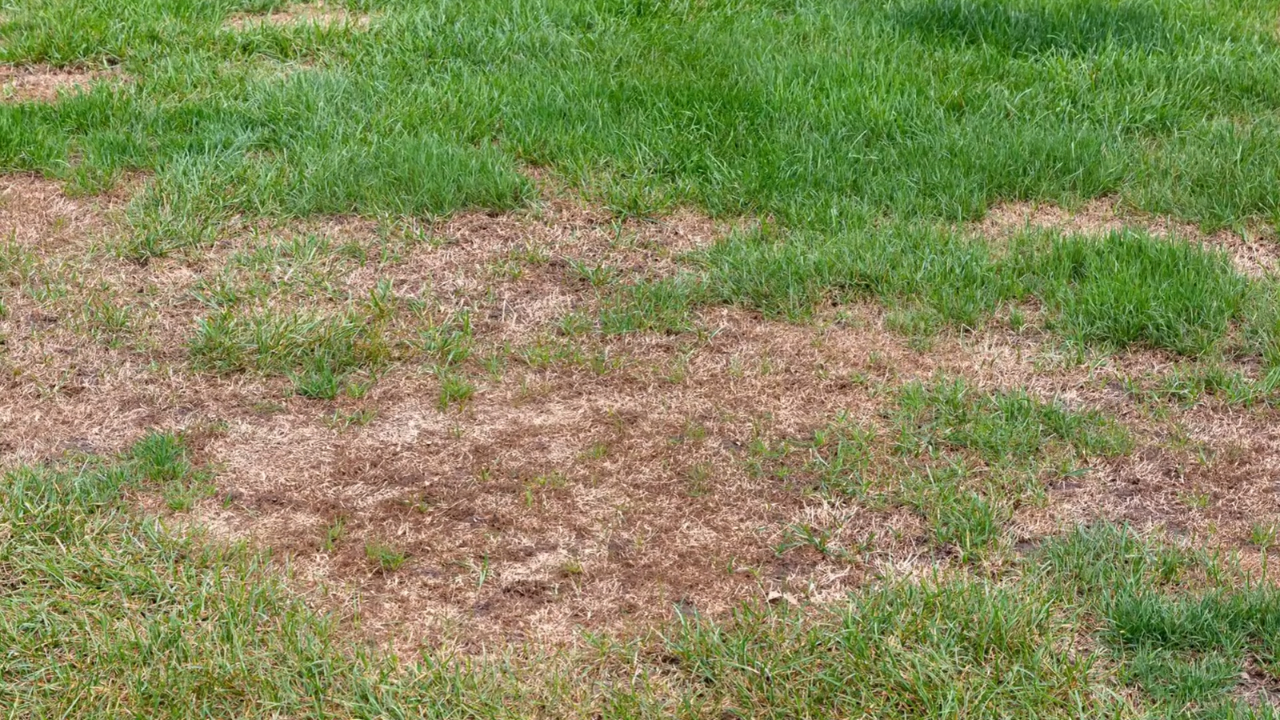
Every April at the garden center, somebody would set a sandwich bag of brown sod on my register and ask whether to reseed or wait. I sold plenty of grass seed in those ten years and talked people out of a fair amount of it. Brown is a color, not a diagnosis.
My answer has hardly changed. Pull on the grass before spending a dime. Live grass returns with water and patience, and a small dead spot in a bluegrass lawn often closes by itself.
Bigger dead patches need seed, but in my zone 5 yard outside Madison, mid-October is the wrong week to sow it.
Check Whether the Grass Is Dormant or Dead
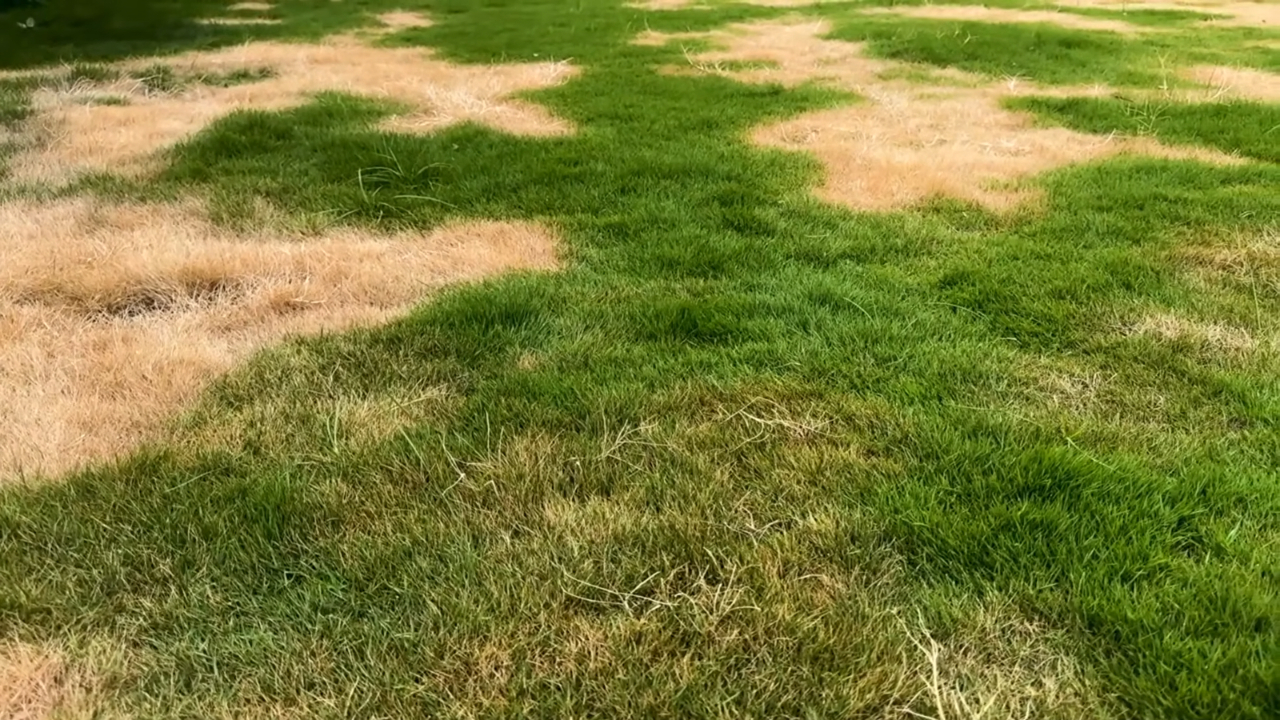
Dormant grass shuts down its leaves to save water while the growing point stays alive. Dead grass has nothing left to restart.
University of Wisconsin specialists note in their drought guidance for Wisconsin lawns that color alone proves little, so I run four checks.
- Tug a handful of blades. Firm roots are a good sign, and grass that lifts like a loose rug is not.
- Peel back the outer leaf sheath at the soil line. White or pale green tissue means the plant is alive.
- Press the patch with your palm. Dead grass often looks grayish black and feels soft and mushy at the soil surface.
- Push a golf tee in at each edge. If the brown shrinks over two or three weeks, the lawn is filling in.
The golf tee check is mine, and it costs nothing. Note the date so you compare real progress, not memory.
Why a Brown Lawn Can Still Be Alive
View this post on Instagram
Cool-season grasses such as Kentucky bluegrass and fine fescue brown out in a dry summer on purpose. The blades die back, and the plant spends what little water it has on keeping the crown and roots alive.
The crown is the short, pale knob where the leaves meet the roots, right at the soil surface. Every new blade and root grows from it. A firm crown can regrow a lawn, and a dry, hollow one cannot.
Iowa State University Extension says cool-season lawns usually survive 4 to 6 weeks of dormancy without serious damage, and suggests about 1/4 inch of water a week to keep crowns hydrated through a long dry spell.
The Wisconsin guidance goes further and reports that Kentucky bluegrass can last 60 days or more without water. Those numbers explain why July lawns that look ruined are often fine by September.
Why Mid-October Changes the Answer
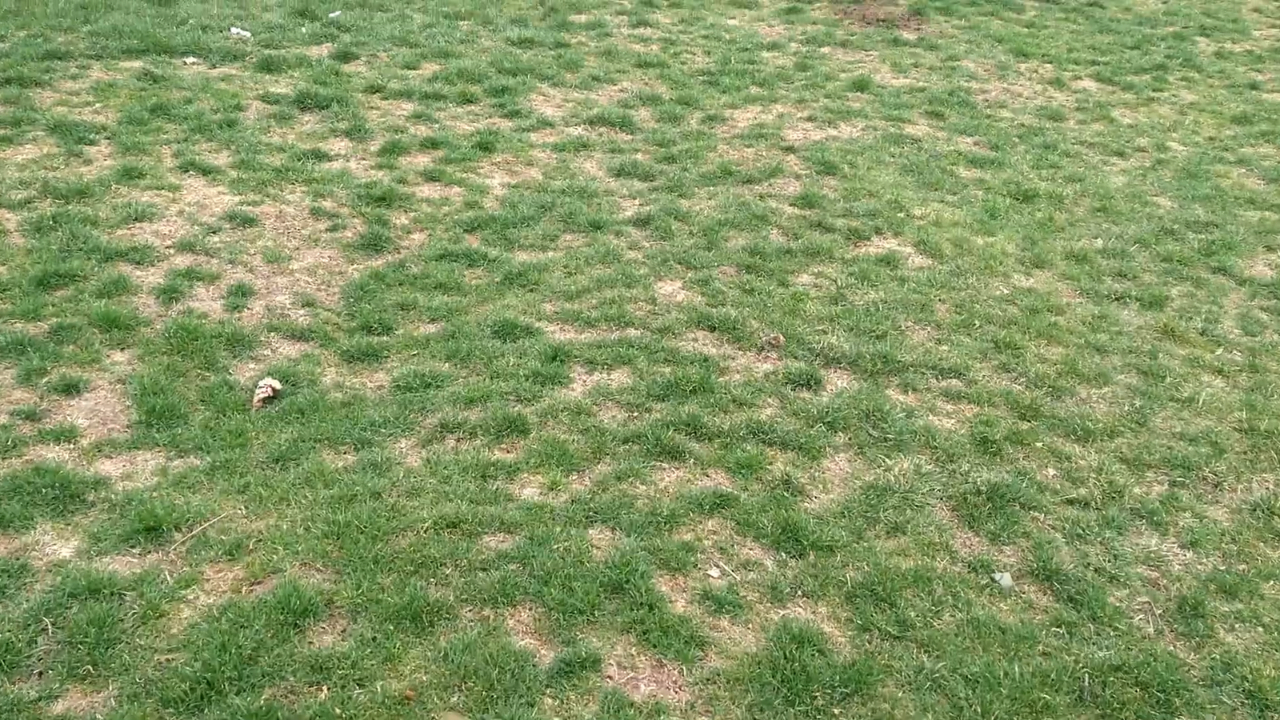
Dormant grass needs real moisture to wake up. The same Wisconsin guidance notes that greening takes at least two weeks after the soil is thoroughly wet, so a dormant patch should have recovered by now after steady rain.
Around Madison, it mostly has. The U.S. Drought Monitor showed no part of Dane County in drought as of October 13, 2026. A clean map does not guarantee your block got rain, so check a rain gauge or an empty coffee can.
Now my own judgment, not a published rule. When a lawn has had several weeks of normal moisture and a patch is still straw colored and loose, I stop calling it dormant.
I check claims like this against the original extension pages, as I describe in my research and fact-checking notes, and none of them suggest a dead crown regrows.
Patch Size Decides Whether You Need Seed at All
Not every dead spot needs seed. Kentucky bluegrass spreads by rhizomes, underground stems that send up shoots a few inches from the parent plant. Tall fescue and perennial ryegrass grow in clumps and barely spread.
Purdue turf specialist Aaron Patton quantifies the difference in his guide to telling dead turf from live turf.
| Grass type | How it spreads | Reseed dead spots wider than |
| Kentucky bluegrass | Underground rhizomes | 6 inches |
| Tall fescue | Clumps, little spread | 3 inches |
| Perennial ryegrass | Clumps, little spread | 3 inches |
I have watched rhizomes at work for years. After I turned 1,200 square feet of lawn into native prairie, bluegrass kept creeping back into the planting every season.
That habit closes small dead spots, and the UW turf team expects drought patches in bluegrass lawns to shrink or vanish as surrounding grass grows in.
Your Options This Late in the Season
University of Wisconsin Extension puts the practical cutoff for fall seeding at about September 10 to 15 for most of the state, so seedlings toughen up before winter.
We are a month past it, and seed sown now in zone 5 may sprout and freeze before it roots. Zones 6 and 7 get a later window, so check your state extension calendar. The remaining choices run in calendar order.
- Lay sod. The UW turf page notes sod can go down any time before the soil freezes.
- Dormant seed once the soil stays below 40°F, which the University of Minnesota dormant seeding guide places between early November and mid-March.
- Seed in April, as soon as the soil can be worked.
- Wait for late August, the best window of the year.
For a couple of dinner plate spots, I dormant seed. Anything bigger than a card table waits for late August.
Why I Wait for Cold Soil Before Dormant Seeding
Dormant seeding means spreading seed on purpose when the ground is too cold for it to sprout. Freezing and thawing work it into the soil over winter, and it germinates when soil warms past 40°F in spring. Cold soil matters more than a date.
I learned to respect soil temperature the May a late frost killed 30 of my tomato transplants. Since then, I trust my soil thermometer over the calendar. In most years my notebook shows the lawn soil dropping under 40°F in November, a few weeks after our first hard frost.
A few cautions from the Minnesota guide are worth keeping.
- Most crabgrass preventers also stop grass seed, so skip them on seeded patches next spring.
- Buy 10 to 20 percent extra seed for touching up thin spots in late spring.
- Water the seedlings if a warm, dry spring follows.
If You Garden Somewhere Warmer
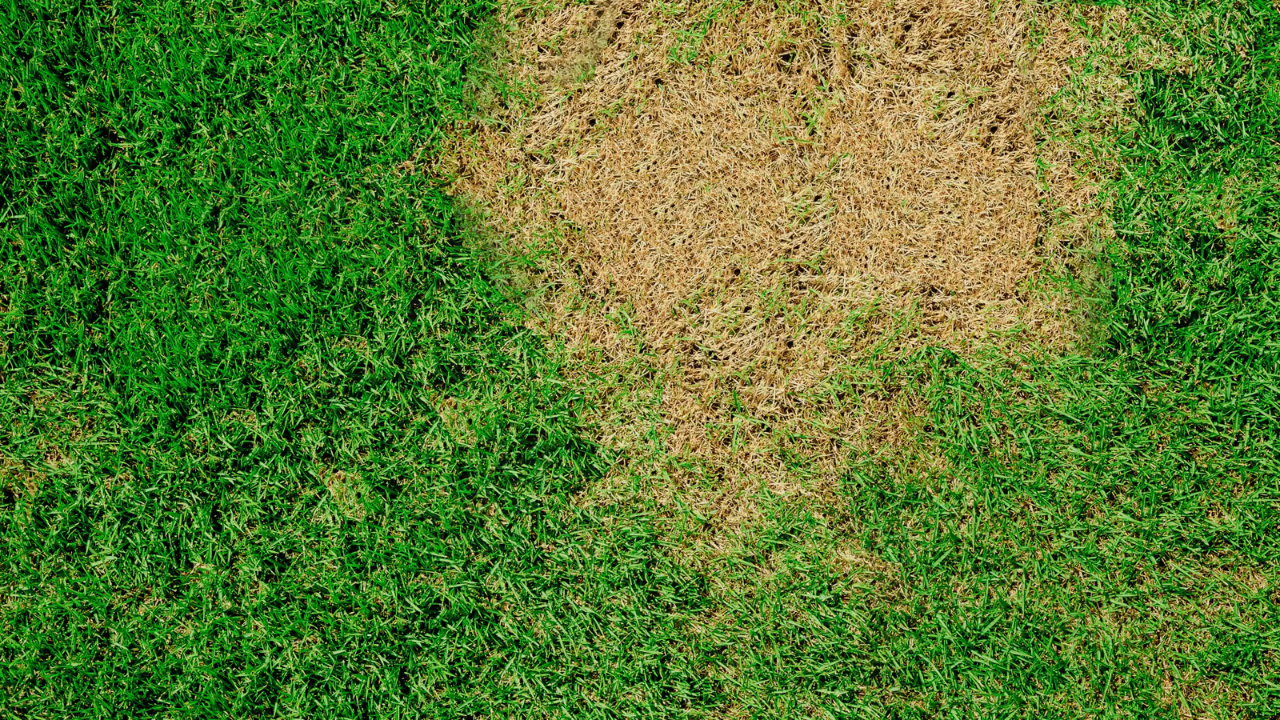
Everything above applies to cool-season lawns. Warm-season grasses such as bermudagrass, zoysiagrass and centipedegrass turn brown every fall as nights cool, and that is normal winter dormancy, not damage. Do not reseed them in autumn.
North Carolina State Extension advises seeding warm-season grasses in late spring to early summer, when soil holds steady at 65 to 70°F. Daytime highs near 80°F usually line up with that range.
Did You Know
Brown spots in a northern lawn in spring are not always dead grass. Iowa State Extension points out that zoysiagrass and nimblewill patches stay brown until mid to late May, long after bluegrass greens up.
Seeding over them wastes money until the weed is dug out or killed, which often takes two or three herbicide applications.
How I Patch a Spot When the Window Opens
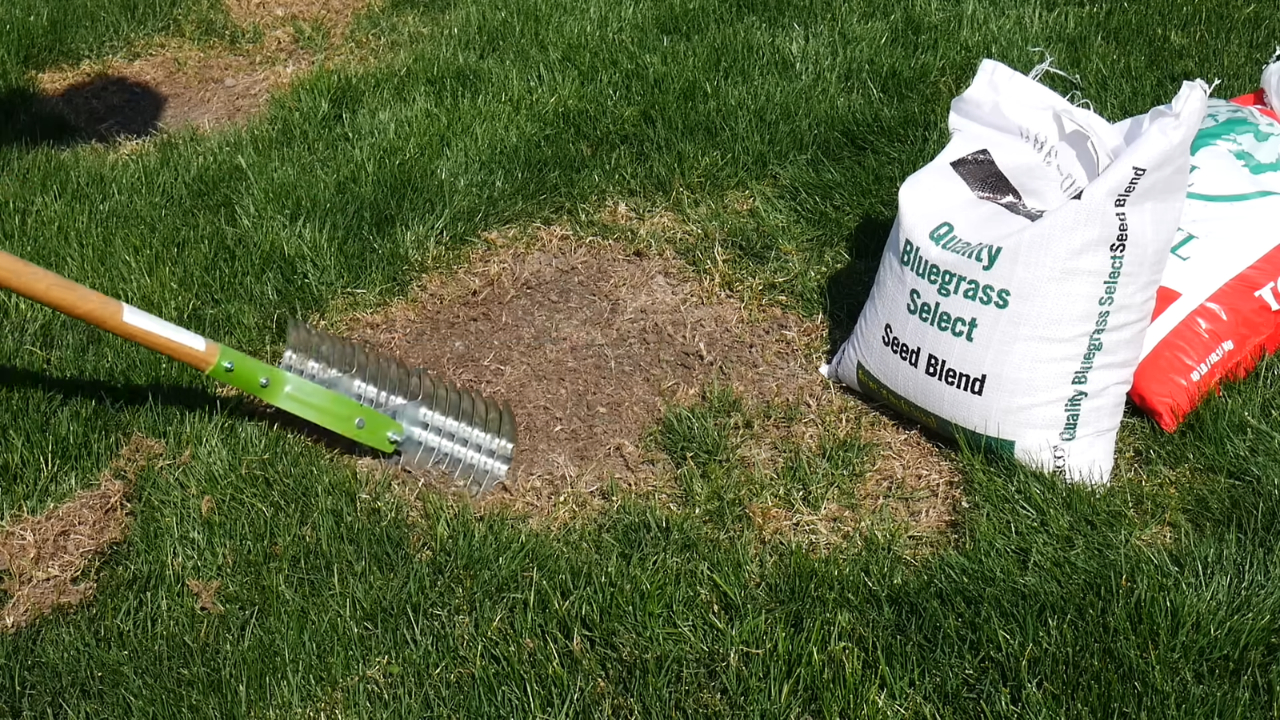
When the timing is right, the repair takes about ten minutes per patch. I follow the small-spot method from Iowa State Extension and add a firm press at the end.
- Rake out the dead grass until you see bare soil.
- Near driveways, sidewalks or a favorite dog spot, soak the area deeply first to flush out salts.
- Mix a couple of handfuls of seed that matches your lawn with a handful or two of garden soil or bagged topsoil.
- Spread the mix over the spot and press it down with the flat of your boot.
- Keep the surface moist, daily if rain does not help, until the grass is up.
Expect green in 2 to 4 weeks for spring or late summer seeding. Dormant seed sits until the soil warms, so mark those spots and leave them alone until April.
What to Do Before the Ground Freezes
@yardwarriorco Don’t assume brown means dead! 🌱 Do the tug test first before you waste money on seed or sod. It only takes 10 seconds and can tell you exactly what your lawn needs. Hashtags #LawnCare #GrassTips #YardWarrior #SummerLawn #TurfTalk ♬ Sweet Heat Lightning – Gregory Alan Isakov
Before snow covers the evidence, walk the lawn with a pocket full of golf tees and give every brown patch the tug test. Firm, pale crowns mean you wait. Loose, mushy grass means the patch is dead, so measure it.
Anything under 6 inches in a bluegrass lawn can be left for the rhizomes. Larger spots get raked down to bare soil now, while the ground is still workable, so they are ready for seed.
Then set your soil thermometer by the back door. Once it reads below 40°F for several days running, scatter the seed and write the date down for spring.