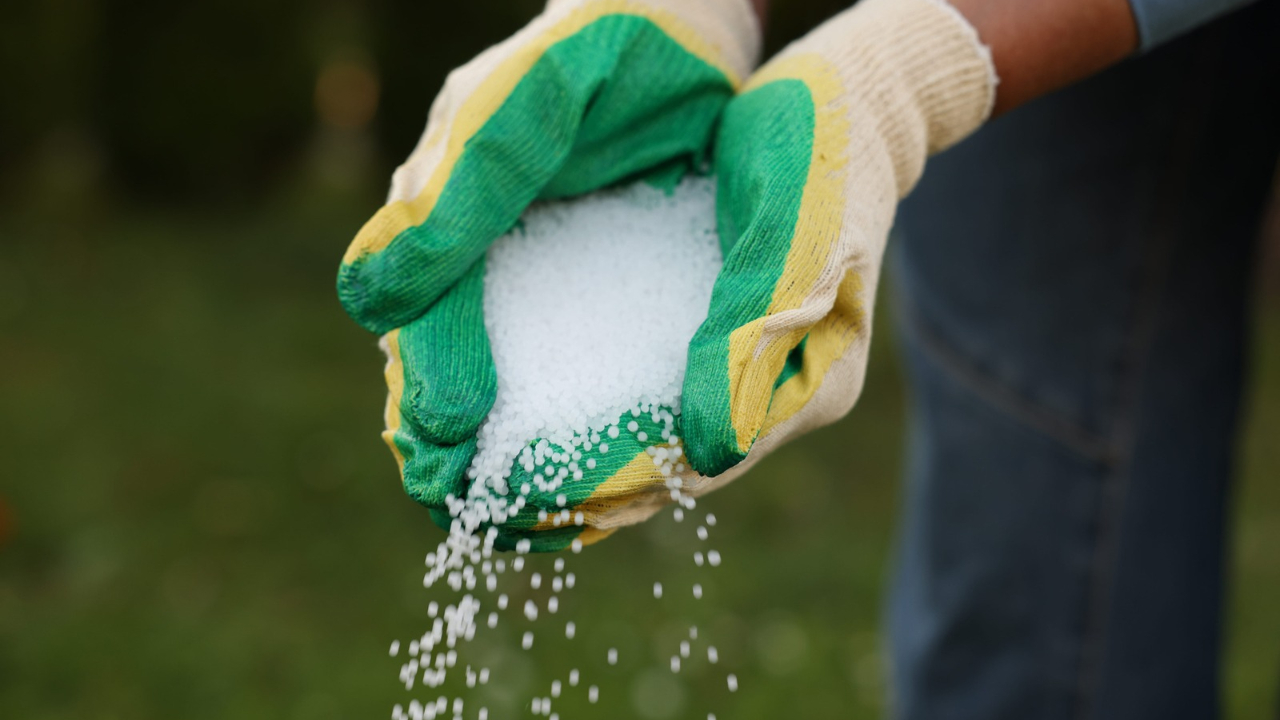
A bag labeled winterizer fertilizer often costs more than ordinary lawn food, and the word on the front hints that your grass might not survive the cold without it. For most lawns, that is not true.
Cool-season grass can use a fall feeding of nitrogen, but it does not need a special product to get one.
Warm-season grass in the South can actually be hurt by a nitrogen-heavy winterizer fertilizer. The real answer depends on three things, your grass type, your region and what a soil test shows.
Below you will learn how to read the bag, when a fall feeding helps and when you can keep your money.
What the Word Winterizer Really Means
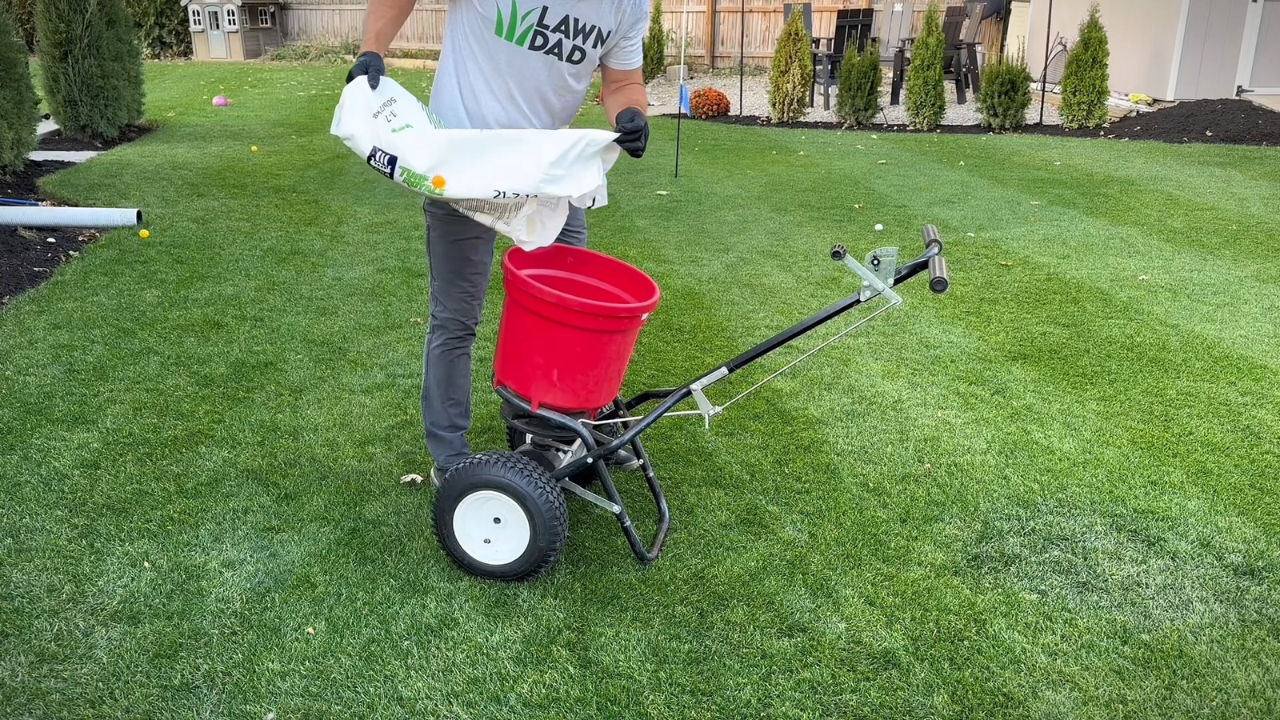
Winterizer is a marketing name, not a legal category with a fixed recipe. Products sold as winterizer fertilizer range from nitrogen-heavy blends such as 32-0-10 to potassium-heavy blends such as 5-5-25.
The three numbers on the back tell you far more than the name does. They show nitrogen, phosphorus and potassium by weight, always in that order. Nitrogen drives green leaf and root growth, potassium helps grass handle stress, and phosphorus mainly helps new grass get started.
N-P-K numbers are percentages of the weight of the bag. A 50-pound bag labeled 20-0-10 holds 10 pounds of nitrogen, no phosphorus and 5 pounds of potash, the form of potassium listed on fertilizer labels. Lawn guides call those 10 pounds the actual nitrogen.
Once those numbers make sense, any winterizer bag becomes easy to compare with a regular one.
Your Grass Type Decides Whether Fall Feeding Helps
Lawns in the United States fall into two broad groups. Cool-season grasses grow best in spring and fall and stay green into late autumn. Warm-season grasses thrive in summer heat and turn tan, or go dormant, after the first frosts.
| Grass group | Common types | Fall nitrogen | Main risk |
| Cool-season | Kentucky bluegrass, tall fescue, perennial ryegrass, fine fescue | Helpful | Feeding after the ground freezes |
| Warm-season | Bermudagrass, zoysia, St. Augustine, centipede | Little or none | Soft new growth before dormancy |
Clemson Extension advice on winterizing southern lawns warns that heavy late nitrogen pushes leaf growth just as warm-season grass slows down, draining its stored energy. If such a lawn needs nitrogen at all, the last light dose belongs about two months before the average first frost, at 0.5 pound or less per 1,000 square feet.
In the transition zone, confirm your grass type before you buy winterizer fertilizer.
Why Extension Experts Disagree About Late Fall Feeding
University turf specialists agree that cool-season lawns benefit from fall nitrogen. They disagree about how late it should go down, and the split mostly follows the map.
- Purdue University recommends a late fall feeding near the last mowing, usually early November in Indiana, with quick-release nitrogen at 0.5 to 1 pound per 1,000 square feet. The payoff shows up next spring as earlier green-up and thicker turf.
- North Dakota State University advises finishing fall fertilizer by mid-September in the northern Great Plains, citing Minnesota and Wisconsin research in which October and November nitrogen was mostly wasted.
- UW-Madison Extension calls early September the best time to feed Wisconsin lawns.
My reading is that both camps are right for their own climate. Where the ground freezes early, a late winterizer fertilizer has little time to work. In places where grass stays green into November, a late feeding has a real window.
The Potassium Pitch and What a Soil Test Shows
View this post on Instagram
Most winterizer fertilizer blends carry extra potassium, and the bag usually suggests it toughens grass for winter. The evidence is narrower than the marketing. UW-Madison Extension guidance from August 2025 says lawns do not need much potassium unless a soil test shows a shortage.
NDSU adds that winterizer products were developed for southern lawns, and research on northern grasses such as Kentucky bluegrass has not settled whether fall potassium helps them.
Potassium matters more on warm-season turf, which is why Clemson favors low-nitrogen, high-potassium blends there. Even so, Clemson says a lawn fed in summer with a product containing 8 to 15 percent potassium probably needs no more in fall.
Did you know? More potassium is not always better. Clemson notes that an excessive dose can burn grass blades and can reduce how much magnesium the grass absorbs, which leaves the lawn a lighter shade of green.
How to Read the Bag Before You Pay Extra
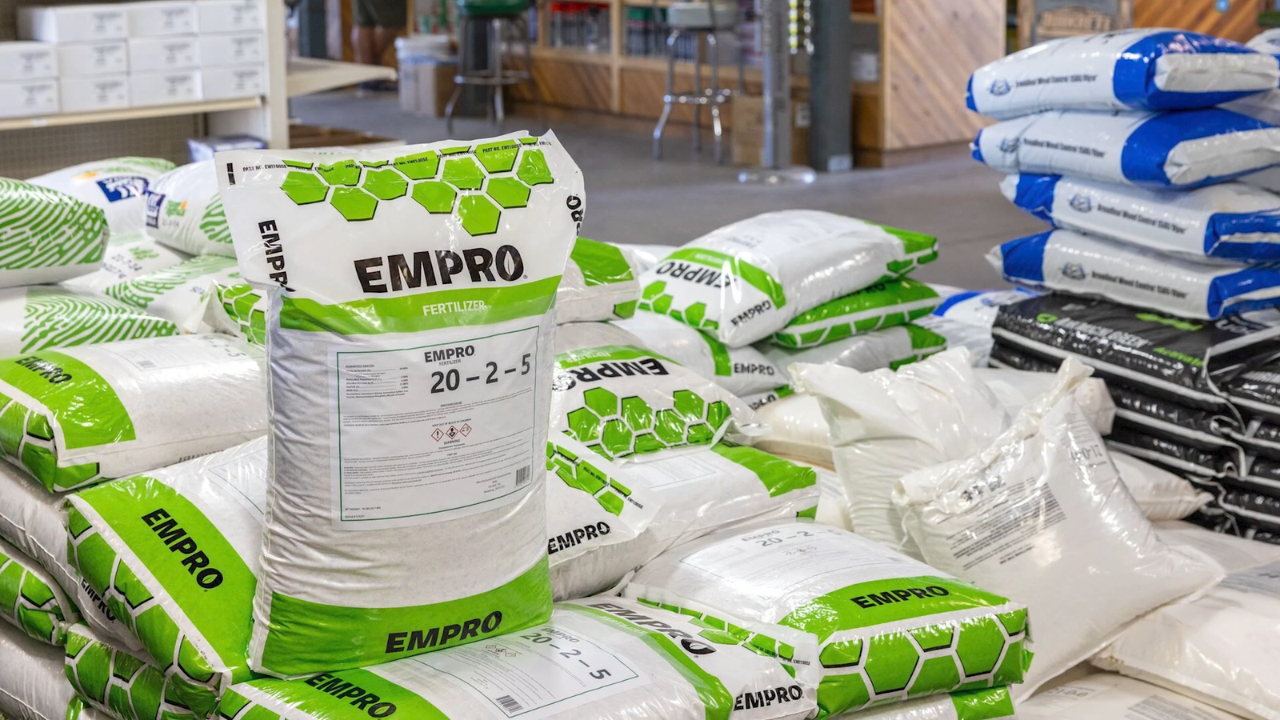
The fairest way to judge a winterizer fertilizer is to ask how much nitrogen it delivers for your money. Divide 100 by the first number on the bag. The answer is how many pounds of product supply 1 pound of nitrogen per 1,000 square feet.
- A 20-0-10 bag needs 5 pounds per 1,000 square feet.
- With a 10-0-20 bag, you need 10 pounds for the same nitrogen, twice as much product.
- The middle number should be zero on an established lawn unless a soil test calls for phosphorus.
- Urea and ammonium sulfate on the ingredient list mean quick-release nitrogen, the type Purdue suggests for November.
- Price per pound of nitrogen, not price per bag, is the honest comparison.
I am skeptical of premium winterizer fertilizer for exactly this reason. Often the same nitrogen sits in a cheaper bag one shelf over.
Rules and Mistakes That Waste a Fall Feeding
Some states regulate lawn fertilizer, and a few common mistakes waste product anywhere. Wisconsin offers a clear example of the rules.
Under Wisconsin Statutes section 94.643, no one may apply fertilizer to turf when the ground is frozen. Lawn fertilizer containing phosphorus is allowed only when establishing new grass or when a lab soil test from the past 36 months shows a shortage. Granules spilled on pavement must be cleaned up right away.
Other states set their own dates and limits, so check your state agriculture department before you spread any winterizer fertilizer. Thick mats of whole leaves can block a late feeding and invite snow mold, so clear them first, as covered in our guide on raking leaves off the lawn before snow.
If you plan to seed bare spots, read our article on whether to reseed brown patches or wait before you buy any weed and feed product.
What to Do With Your Lawn This Week
@girlzlawn What exactly is a lawn winterizer fertilizer? It’s not some magical formula that protects your grass from freezing! For cool-season lawns, late-fall fertilization can support nutrient storage and spring recovery. But don’t grab a bag just because it says “winterizer.” Let your soil test guide phosphorus and potassium, and apply nitrogen based on your lawn’s needs and growing conditions. #creatorsearchinsights #lawncare #lawnmaintenance ♬ original sound – Girlzlawn
It is early November, so start with two quick checks. Is your grass still green, and can you push a trowel into the soil? Wisconsin agriculture officials treat ground as frozen when you cannot dig down 6 to 8 inches.
If a cool-season lawn is still green and the soil is workable in the lower Midwest, one quick-release feeding at about 0.5 pound of nitrogen per 1,000 square feet can still pay off next spring. Farther north, put the money toward a soil test in spring.
Warm-season lawns need no nitrogen now. Before buying any winterizer fertilizer, flip the bag over and read the three numbers first.
Questions About Winterizer Fertilizer
1. Does an organic winterizer fertilizer work in November?
Organic products depend on soil microbes to release their nitrogen, and those microbes slow down sharply in cold soil. A November dose may sit unused until spring, so organic blends work better in early September.
2. Can I use leftover summer fertilizer instead of winterizer fertilizer?
Usually yes, as long as the middle number is zero. A slow-release summer blend suits an early September feeding. Later in the fall, choose mostly quick-release nitrogen, because slow-release granules may not break down before the grass stops growing.
3. What if I already spread winterizer fertilizer on a warm-season lawn?
Add no more nitrogen this year. Keep mowing at your normal height until the grass goes fully dormant, and wait to feed again until the lawn greens up on its own in spring.
4. Where can I get a lawn soil test?
Most states have a land-grant university soil lab, and your county extension office can explain how to mail a sample. Ask for a lawn or turf test so the report covers pH, phosphorus and potassium.
5. Should I water the lawn after a fall feeding?
Follow the label first. If no rain is forecast, a light watering moves granules off the blades and into the soil. Stop before water runs onto the sidewalk, and never water fertilizer into frozen ground.