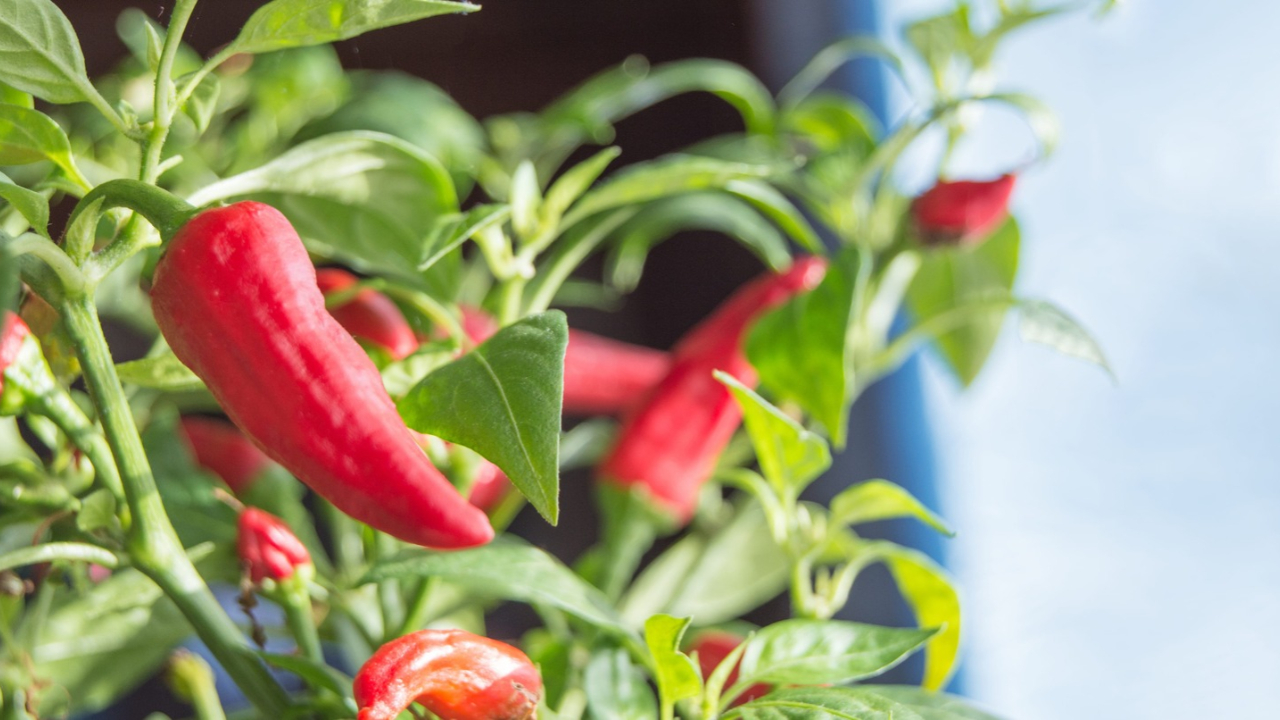
Pepper plants usually end up on the compost pile after the first frost, but the plant itself is not built to die after one summer. Peppers are tender perennials, which means they can live for years where winters stay warm. Frost is what kills them, not old age.
Overwintering peppers simply moves the plant out of the cold until spring. You can keep it resting in a cool room or keep it growing under lights for a few more fruits. Either way, you start next season with an established plant instead of a tiny seedling.
Why a Pepper Plant Can Live More Than One Season
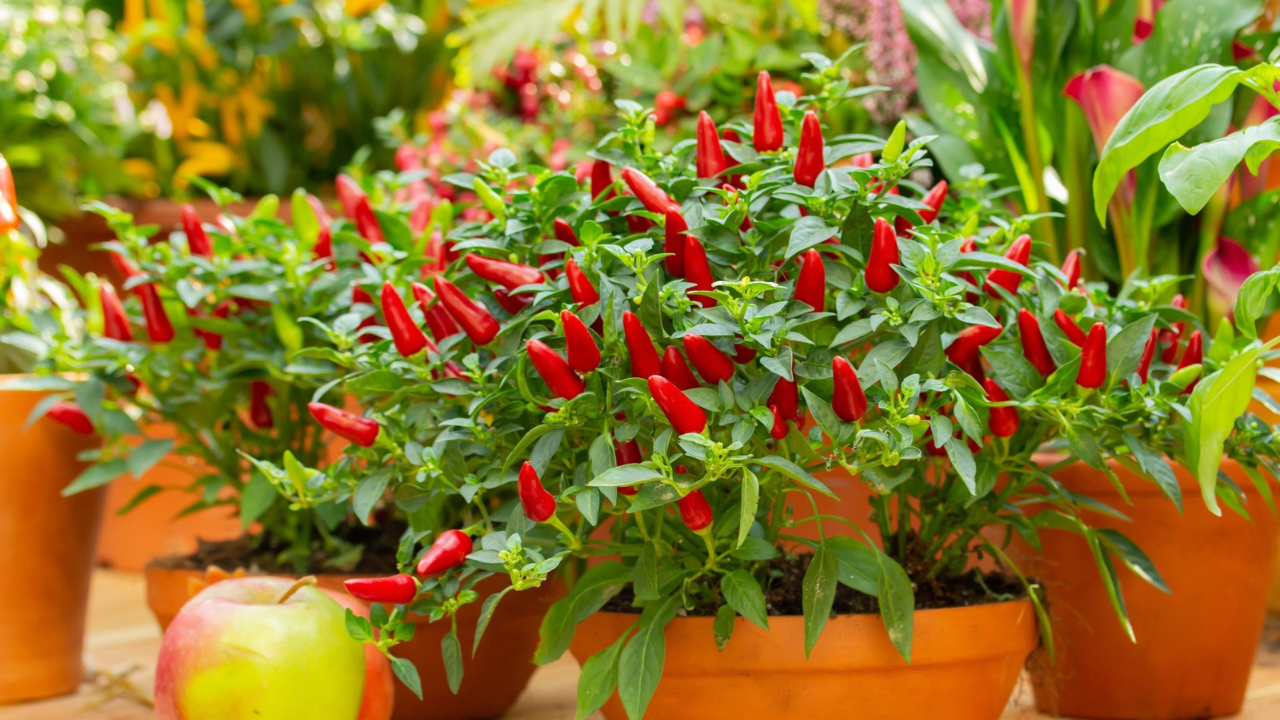
Garden peppers belong to a species called Capsicum annuum, and the word annuum makes them sound like annuals. A University of Florida plant profile calls the pepper a tender perennial that most gardeners grow as a warm-season annual because frost kills it back.
A tender perennial is a plant that can live for several years but cannot survive freezing weather. Peppers stay perennial outdoors only in USDA zones 9B through 11B, the warmest parts of the country.
Everywhere colder, overwintering peppers indoors is the only way the plant sees a second year. Overwintering peppers works because the roots and woody main stem stay alive even after the leaves and branches are cut away. A trimmed plant can rest for months and then send out fresh shoots once it gets warmth and longer days again.
Choose Your Goal for Overwintering Peppers
Before you carry anything inside, decide what you want from the plant.
Overwintering peppers can mean two very different things:
- You can keep a bare, trimmed plant alive until spring,
- or you can keep it green and fruiting indoors.
When a Michigan gardener asked about this in November 2023, an Ask Extension expert explained that each choice calls for its own care, mainly in how warm the plant stays and how much light it gets.
| Goal | Temperature | Light | Water |
| Rest until spring | Cool, about 50 to 55°F | Some light | Sparingly, every few weeks |
| Keep picking fruit | Nights above 50°F, days near 70°F | Grow lights needed | As needed, never soggy |
The resting range in the table comes from comparing two sources. Oregon State University Extension suggests 40 to 55°F, while a Minnesota Master Gardener recommends staying above 50°F.
Aiming for 50 to 55°F satisfies both. For fruit, flowers indoors may also need hand pollination, which can be as simple as gently shaking the plant.
When to Bring Pepper Plants Inside
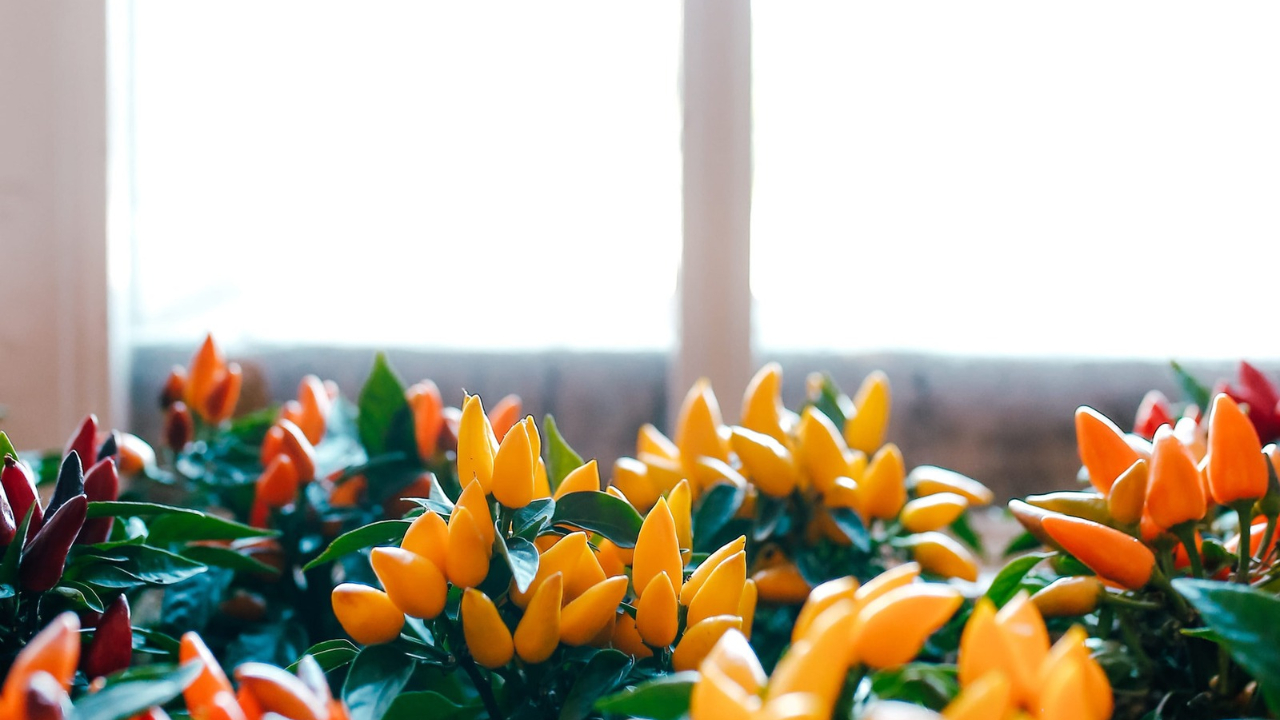
Timing matters more than any other step in overwintering peppers. Many tender plants are damaged once temperatures fall below 45 to 50°F, so move peppers before nights reach that range, not after the first frost.
- Pick the healthiest plants with thick stems and no spotted or yellowing leaves.
- Pot up garden plants with as much of the root ball as you can lift, using fresh potting mix.
- Harvest every ripe and nearly ripe pepper before the move.
Plants already growing in containers are the easiest to save, since the roots never get disturbed. Pepper plants you decide not to keep can go out with the rest of the fall cleanup.
Before you clear the whole bed, remember that sunflower heads and hollow stalks left standing in the vegetable garden can feed winter birds until spring.
Clean Off Pests Before the Plant Comes Indoors
Aphids, whiteflies and mealybugs often ride inside on outdoor plants, and they hide on the undersides of leaves. Minnesota Extension warns that a small infestation can grow quickly indoors over winter, so cleaning comes first when overwintering peppers.
Spray the whole plant with water outdoors to knock off dust and soft-bodied insects. Then wash both sides of the leaves with water and a little mild dish soap, rinse them and wash the outside of the pot as well. Soaking the whole pot in a bucket of soapy water treats the soil too.
Did you know? Pruning off every leaf for dormancy also removes most of the places where pests live. A Minnesota Master Gardener answer recommends cutting away leaves and flowers in fall for exactly that reason. Keep checking the stems at each watering, and treat any pests you find with insecticidal soap.
How to Prune and Store a Resting Pepper
View this post on Instagram
A resting pepper looks bare, and that is normal. The goal of overwintering peppers this way is to keep the plant alive, not to keep it pretty. Follow these steps once the plant is clean.
- Cut back the branches, leaving the main stem and the base of a few side branches.
- Remove all remaining leaves, flowers and small fruit.
- Set the pot in a cool spot that stays between 50 and 55°F and gets some daylight or a grow light.
- Water only every 3 to 4 weeks, enough to keep the roots from drying out completely.
- Pinch off any new shoots that appear during winter.
- Hold off on fertilizer until spring.
Overwatering is the easiest mistake to make with a resting pepper. With no leaves, the plant uses very little water, and wet soil in a cool room invites root rot.
Waking the Plant Up in Spring
Spring is when the work of overwintering peppers pays off. In late winter, move the pot to a warmer spot and water more often as new shoots appear.
Iowa State University Extension recommends feeding overwintered plants every 2 to 4 weeks in late winter and early spring. It also advises shifting a dormant plant into brighter light gradually, over 2 to 4 weeks.
Indoor leaves burn easily in full sun, so the plant needs a slow return outdoors. Michigan State University Extension describes hardening off, which means getting a plant used to sun and wind a little at a time.
- Start 7 to 10 days before your frost-free date.
- Begin with one hour outdoors in shade and wind shelter.
- Add 1 to 2 hours outside each day and bring the plant in at night.
- Plant it out when nights stay near 60°F, since cold below 50°F can stunt warm-season crops.
What to Do With Your Pepper Plants This Week
@nettlesandpetals Overwintering pepper plants 🌶️🥶 Even though peppers are typically treated as annuals, they are actually perennial and can often be overwintered giving you much earlier peppers next season. Peppers are heat loving plants that are stressed quite easily and will die at 32 degrees Fahrenheit and under, so there are a few steps that need to be taken for overwintering to be successful. Firstly, over wintering indoors, if growing your plants in ground, or raised, beds in a polytunnel or green house, simply dig them up, being careful to leave as much of the root system intact as possible, then pop them in a large pot, water them in and move them to a warm sunny window indoors, south facing ideally. The plant will likely not produce any more fruit throughout winter and be sure to reduce watering to prevent the proliferation of common pest such as fungus gnats and to ensure the soil is not too damp as pepper don’t like too much water. Some leaves may drop as the plant adjusts and goes dormant, but it should pick back up when temperatures increase next spring. It can then be re-planted out once the chance of frost has past. Secondly, over wintering outdoors, it is possible, however they will need some form of shelter such as a cold frame, green house, poly tunnel or shed. Start by removing all fruit from the plant, then the hard part! Give the plant a very hard prune, removing most of the branches, baring a few Y shaped stems, and all of the leaves. Then dig up the plant, again keeping as much of the root system intact as possible, put it into a large pot, add some fresh compost and then water it in. The plants will go dormant and it is possible to just cover them with an additional layer of fleece and they should survive. Make sure to uncover them throughout above freezing days to decrease the risk of disease or rotting. If possible, pop them inside a shed or garage with some natural light until the following spring at which point they should start to produce new shoots and then much earlier fruit. #chillis #peppers #overwintering #wintergarden #growingchillis #growingpeppers #gardenhacks #gardeningtips #gardeninghacks #sustainableliving #sustainablegardening #vegetablegarden #organicgardening #growingvegetables #homegrowing #urbangardening #growfoodforfree ♬ original sound – Nettles and Petals
It is early November, so check your peppers today. If frost has already turned the leaves black and the stems soft, the plant is unlikely to recover, and next year the move should happen before nights drop to 50°F. Firm green stems mean overwintering peppers is still an option, so rinse the plant, prune it and bring it inside now.
Set it somewhere that holds 50 to 55°F, and plan to water again in three weeks. Once the plant is safely inside, the empty pots left outdoors still need attention, and our guide to keeping pots from cracking over winter shows which ones to store.
Important Questions
1. Do hot peppers overwinter better than bell peppers?
Usually yes. Extension advice notes that sweet peppers are less hardy than hot peppers, so jalapeños, cayenne and similar hot types tend to come through a cool winter in better shape. Bell peppers can still survive, but they need closer attention to temperature.
2. Is an unheated garage a good spot for overwintering peppers?
Only if the garage stays above about 40°F all winter. Oregon State notes that gardeners have kept cut-back container peppers in garages under a grow light. Put a cheap thermometer next to the plant for a week before you trust the spot.
3. Can a pepper rest in a completely dark basement?
Peppers do better with some light. Dark storage works for some dormant plants with woody stems, but Minnesota Master Gardeners advise giving a resting pepper at least some light. A window or a basic grow light on a timer is enough.
4. Why did my pepper drop leaves right after I brought it inside?
A sudden move from bright sun to dim indoor light can shock a plant, causing yellow leaves, wilting or dieback. Minnesota Extension suggests easing the change by starting in a sunny window. For a plant headed into dormancy, dropped leaves are a normal part of overwintering peppers.
5. Can pepper plants survive winter outdoors in the ground?
Only in the warmest parts of the country, USDA zones 9B through 11B. Elsewhere, frost kills the plant back, so the University of Florida treats it as an annual in frost-prone zones. For most gardeners, overwintering peppers means bringing them indoors.