Every April at the garden center, someone would set a coral bells plant on the counter and ask what killed it. Most of those plants were not dead. Their crowns had worked up out of the soil over winter, and the roots underneath had dried out.
Most coral bells are hardy to zone 4, so cold alone is rarely the problem. Heaving, soggy soil and dried-out crowns do the damage.
I grow about 15 of them in a shady border on the north side of my yard. Below is the routine that brings them back each spring.
Cold Is Rarely What Kills Coral Bells
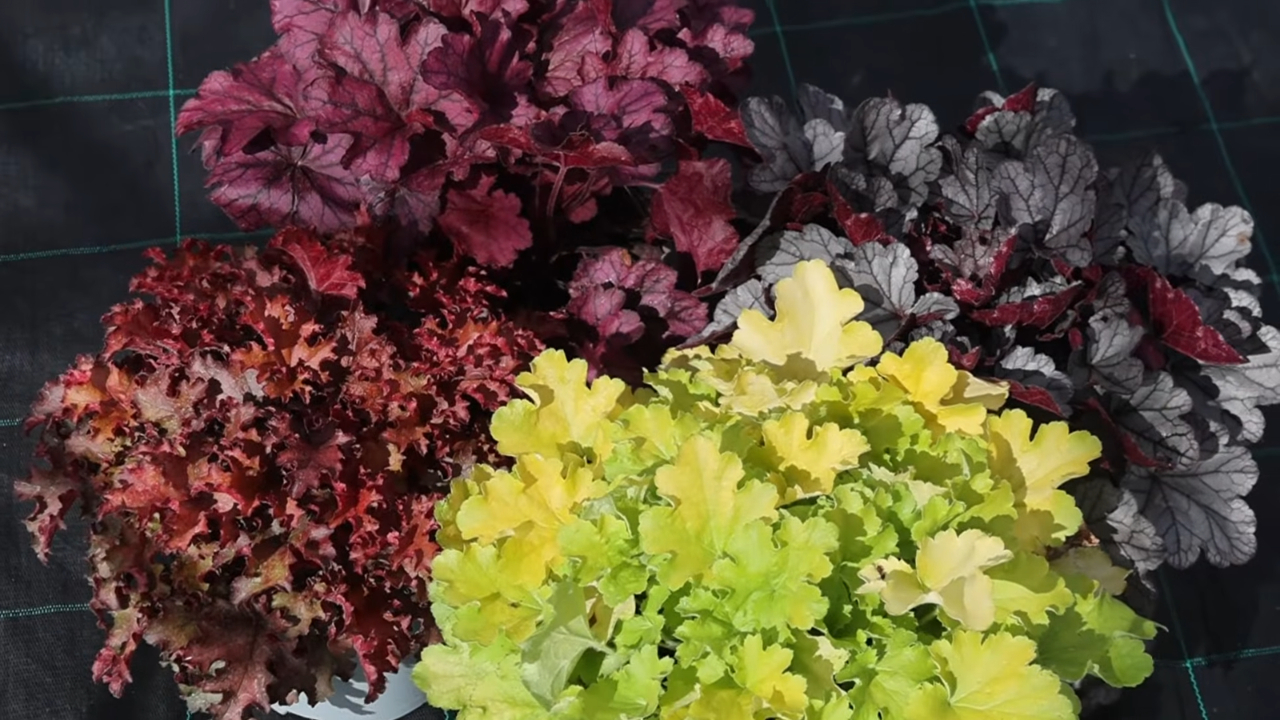
The best evidence I know comes from Chicago Botanic Garden, which sits in zone 5b, close to my own conditions. From 1995 to 2000, plant evaluation manager Richard Hawke grew 64 kinds of coral bells and published the results in a Chicago Botanic Garden evaluation of coral bells.
A fair number of plants died over winter, but most of them were already weakened or stressed before the cold arrived. Stem rot caused the most decline in the trial, and the report names crown heaving and poorly drained winter soil as the other big risks.
Frost heaving happens when the top layer of soil freezes and thaws again and again. Each cycle lifts the soil slightly, and shallow-rooted perennials such as coral bells can be pushed partly out of the ground, leaving their roots exposed to cold, drying air.
Four Winter Problems and How to Spot Them
When customers brought in a struggling plant, I learned to look at the crown first, then the soil, then the leaves.
The table sorts the problems I see most often in my own border, matched to their usual causes. Most plants show more than one of them by March, so check for all four before deciding what went wrong.
| Problem | What you see in spring | Cause | Prevention |
| Frost heaving | Crown sitting above the soil, roots showing | Repeated freezing and thawing | Mulch after the ground freezes |
| Crown rot | Soft, dark crown with a collapsed center | Wet soil in winter | Well-drained soil, never a low spot |
| Dried-out leaves | Brown, papery, tattered foliage | Winter sun and wind on evergreen leaves | A sheltered site and steady snow cover |
| Woody crown | Bare stem with a tuft of leaves on top | Normal aging over three to four years | Mound compost or replant deeper |
Only the first two usually kill plants outright. Brown leaves look alarming in March, but new growth comes from the crown, so a plant with ugly foliage and a firm crown is usually fine.
Illinois Extension’s coral bells care page recommends mounding compost around woody stems or replanting deeper so the crown stays in contact with the soil.
What Losing an Ash Tree Taught Me
View this post on Instagram
Until 2017, most of my coral bells grew under a mature ash in the backyard. Emerald ash borer killed the tree that spring, and once it came down, a bed that had sat in dappled shade got full afternoon sun.
The plants scorched through July and August, and I watered them more than anything else in the yard. By the following spring, 7 of the 11 were gone. None had heaved, and the winter had been ordinary.
They went into winter already weakened, which matches what the Chicago trial found. I moved the four survivors to the north side of the house in May 2018, and all four are still there.
Now, when a coral bells plant struggles in summer, I fix its site before fall instead of hoping winter will be kind.
My Late-Fall Coral Bells Routine
Most of the work happens between mid-October and early December. Here is the order I follow in zone 5.
- Stop fertilizing by late summer, so plants are not pushing soft new leaves into the cold.
- Leave the foliage on. Coral bells are evergreen or semi-evergreen, and their leaves shelter the crown.
- Check every crown in October. Any plant with bare stem showing gets a handful of compost mounded around it.
- Water deeply during dry spells until the ground freezes.
- Pull whole fallen leaves off the crowns so they do not mat over them. I also rake thick piles of leaves before snow to reduce the risk of snow mold on the lawn.
- Once the ground freezes, usually in early December in my yard, spread shredded leaves around the plants.
Step three matters most. A crown that starts winter already above the soil line is the first one to heave.
Mulch Timing Matters More Than Depth
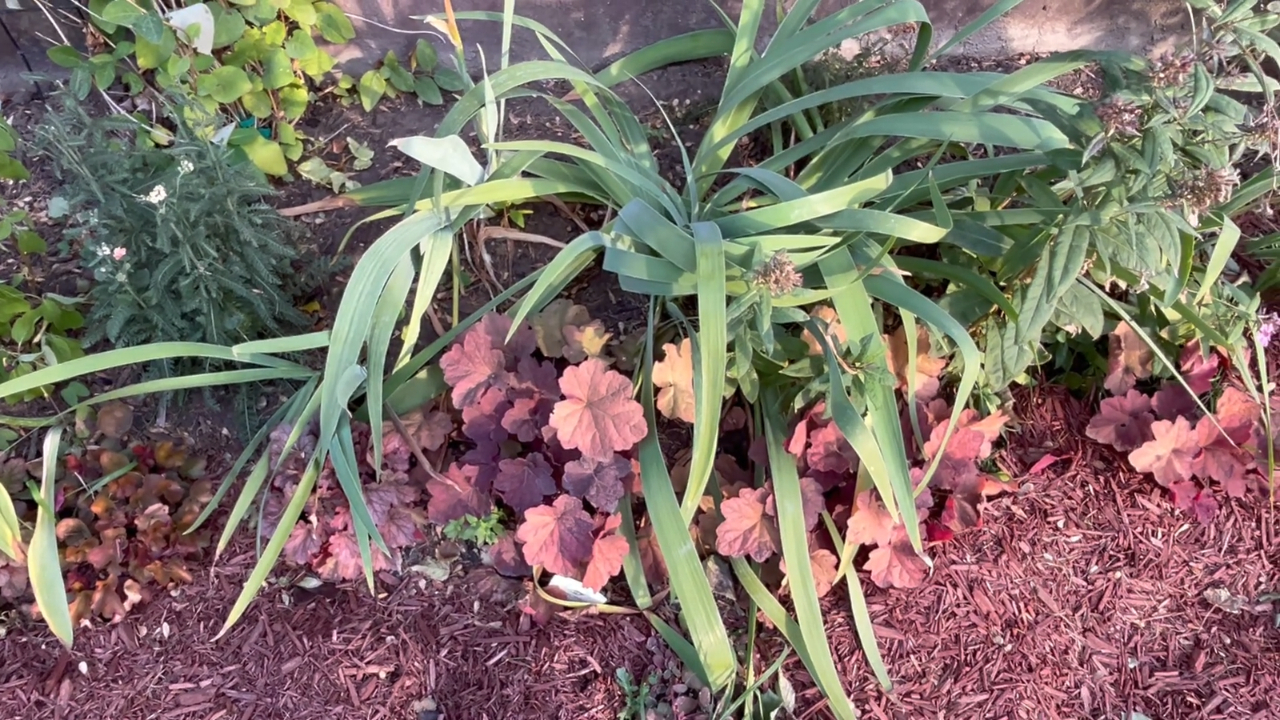
A layer of mulch does not keep coral bells warm. Its job is to keep frozen soil frozen, so the freeze-thaw cycles that cause heaving happen less often.
Iowa State University’s guide to preparing perennial beds for winter recommends waiting until the ground freezes, typically late November in much of Iowa, because mulch applied too early can slow plants on their way into dormancy.
Recommended depth varies. Iowa State suggests about 4 inches over the crown, while Chicago Botanic Garden’s care advice calls for 2 to 3 inches. In my border, 3 inches of shredded leaves works, kept loose around each crown rather than packed on top, since a thick, wet layer over evergreen leaves can invite rot.
Skip the foam cones. Iowa State warns that Styrofoam cones and domes can warm plants too early in spring and pull them out of dormancy before the weather settles.
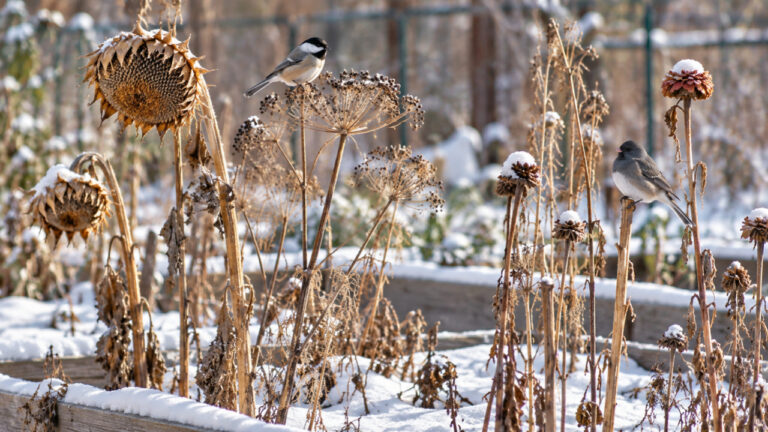
My vegetable beds get a different winter treatment. I leave dry seed heads and plant stalks for wildlife, along with loose leaf cover. Here are six things I leave in my vegetable garden to feed birds.
Coral Bells in Pots Need a Different Plan
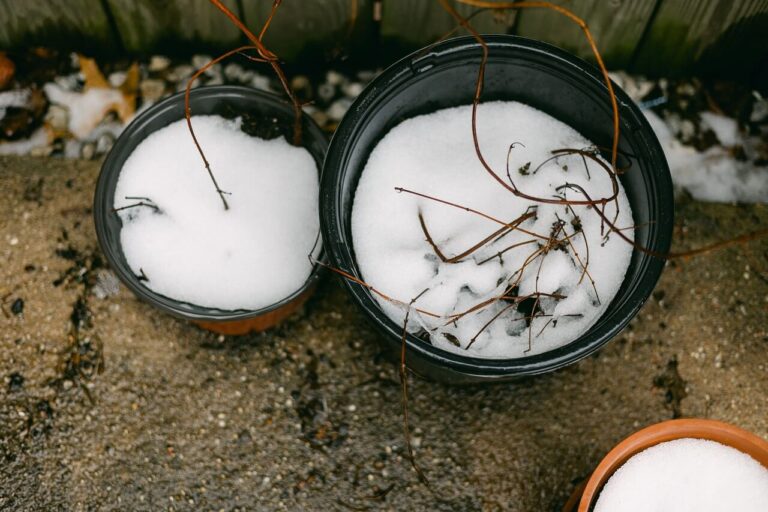
Three coral bells live in containers by my back steps, and they get more attention than the 15 in the ground. Roots are far less cold-hardy than leaves, and a pot holds so little soil that single-digit temperatures can damage them, according to Iowa State’s advice on overwintering unplanted perennials.
I use one of these options, depending on the year.
- Sink the pot into a vegetable bed up to its rim within a few weeks after the first frost, then lift it once the soil thaws in spring.
- Move it to an unheated garage where temperatures stay between about 20°F and 45°F.
- In the garage, check the soil every two to three weeks and water when it is dry and temperatures are above freezing.
Burying is my first choice. The garage is my backup for years when the ground freezes before I get to it.
I follow a similar rule for what to plant in October, since newly purchased perennials need enough time to establish roots before the soil freezes.
Spring Cleanup and Replanting Heaved Plants
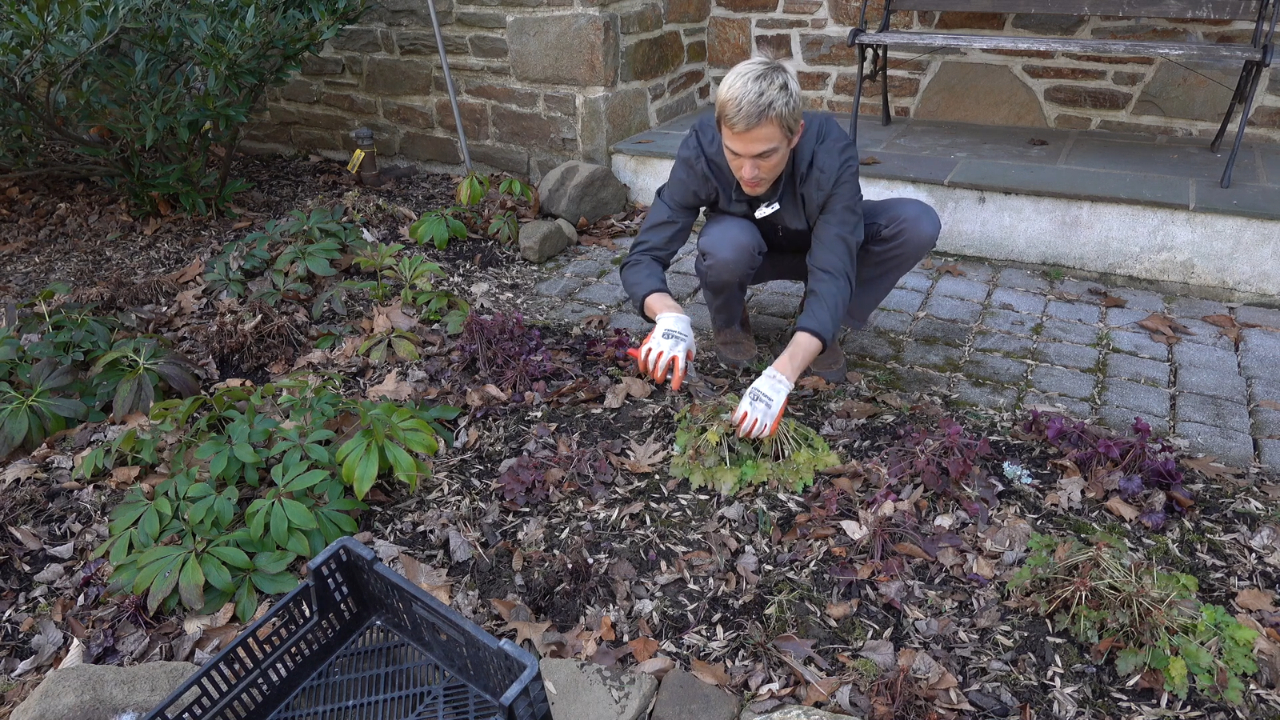
In late March, once the top layer of soil thaws, I pull the mulch back from the crowns. Then I walk the border with pruners and a trowel.
Tattered brown leaves get trimmed at the base, which uncovers the small new leaves at the crown. Any heaved plant gets pressed back into the soil or replanted with the crown at the soil line.
Heaved plants can be slow to recover, so I give them until June before deciding.
Every three to four years, coral bells turn woody and open in the center, and the Chicago report suggests rejuvenating them then. I divide mine in spring.
Did You Know?
Prairie alumroot, Heuchera richardsonii, is a coral bells relative native to Midwest prairies. It is hardy in zones 3 to 9 and resists deer. Six of them grow in my prairie strip, in full sun.
@tlcgardenokFun Facts About Heuchera (Coral Bells): 🇺🇸 Heuchera is native to North America, especially thriving in woodland areas. 💚 Many varieties are evergreen, keeping your garden colorful year-round. 🐝 Their small, bell-shaped flowers attract pollinators like bees and hummingbirds, adding life to your garden. 🌱 Care Tips: 💡 They thrive in partial shade but can handle full sun with enough water. 💦 Prefers well-drained soil and consistent moisture. 🙏 Just a little trimming to remove dead leaves, and you’re good to go!♬ original sound – TLC Garden Centers
What My North Border Needs This Week
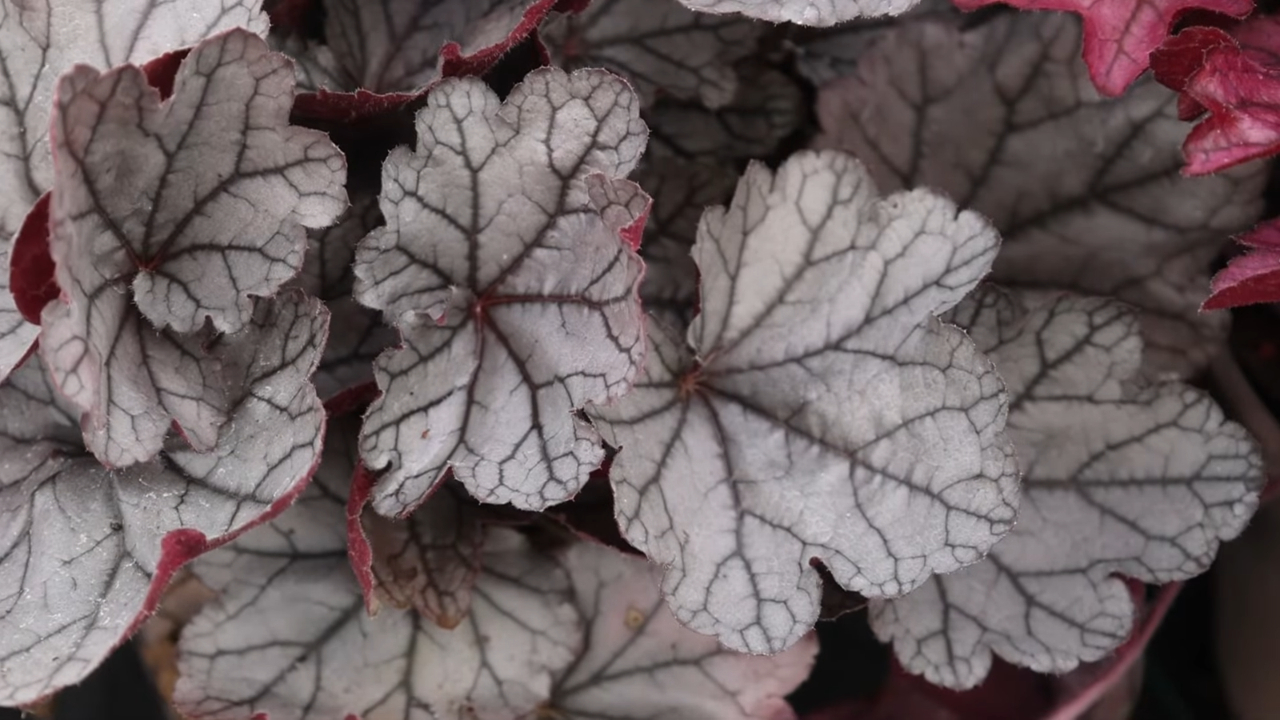
The coral bells along the north side of the house still look good, deep purple ‘Palace Purple’ next to amber ‘Caramel’, with a few frost spots on the oldest leaves. Two crowns have started to rise, and they get mounded compost this weekend.
The shredded leaves are already bagged in the garage, waiting for frozen ground in December. If you only do one thing this fall, kneel down and look at where each crown meets the soil.
A crown sitting on the surface needs compost or replanting now, before the first freeze-thaw cycle lifts it further.